
There is nothing quite like the feeling of a brand-new computer. It starts up in seconds, apps open instantly, and everything feels smooth and responsive. However, over time, every computer starts to feel a bit tired. It gets cluttered with old files, “bloatware” from the manufacturer, and tiny pieces of broken software that slow everything down. This is where clean installation guides come in. A clean installation is like hitting the reset button on your digital life. It involves wiping your hard drive completely and installing the operating system from scratch. In this guide, we are going to walk you through the world of clean installation guides using simple English and a friendly, human tone. We want to show you that you don’t need to be a tech genius to give your computer a fresh start. By following these clean installation guides, you can reclaim your machine’s original speed, fix annoying errors, and enjoy a much better computing experience in 2026.
Why Clean Installation Guides are Better Than a Simple Reset
Many people ask, “Why can’t I just use the ‘Reset’ button in my settings?” While a reset is okay for small problems, it often leaves behind old drivers and hidden system junk. Clean installation guides focus on a truly fresh start. When you perform a clean install, you are removing the “junk” that manufacturers pre-install on new laptops. This “bloatware” often runs in the background and eats up your memory. By using clean installation guides, you ensure that only the files you actually want are on your drive. It is the most effective way to solve deep system crashes and make an old computer feel like it just came out of the box. It is the ultimate “spring cleaning” for your digital home.
Step 1: Backing Up Your Data Before the Big Move
The most important rule in all clean installation guides is to save your stuff first. A clean installation will erase everything on your hard drive—every photo, every document, and every game save. Before you start, you must back up your data to an external hard drive or a cloud service like Google Drive. Check your “Documents,” “Pictures,” and “Downloads” folders carefully. Don’t forget your browser bookmarks and any saved passwords you might need. In our clean installation guides, we always recommend a “double backup.” Save your most precious files in two different places just to be safe. Once your data is secure, you can proceed with confidence knowing that your memories and work are protected.
Creating Your Bootable Media: The Key to Clean Installation Guides
To install a fresh operating system, you need a “key” to open the door. This is usually a USB flash drive that has been turned into “bootable media.” Most modern clean installation guides will point you to the official website of your operating system (like Windows or macOS) to download a small tool that prepares the USB drive for you. You will need a flash drive with at least 8GB of space. This tool downloads the latest, most secure version of the system and puts it on the stick. Having this tool ready is a vital part of clean installation guides because it allows you to start the computer from the USB drive instead of the cluttered hard drive.
Understanding the BIOS and Boot Menu Settings
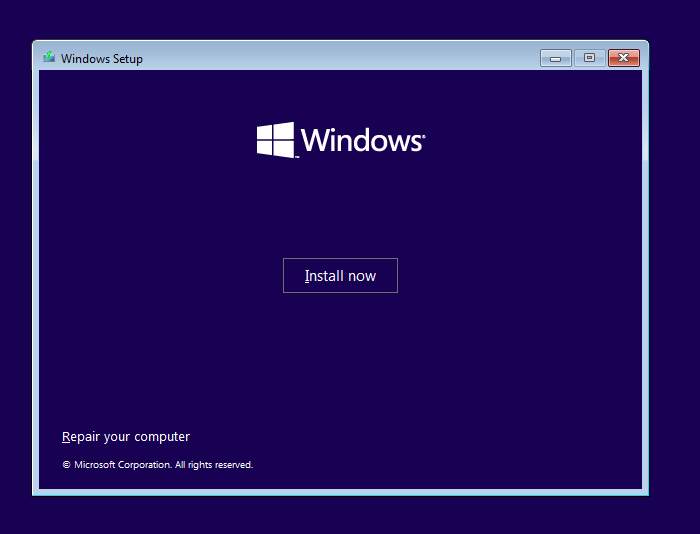
This is the part of clean installation guides that makes some people nervous, but it is actually quite simple. To start the installation, you need to tell your computer to “look” at the USB drive first. When you restart your computer, you usually have to tap a specific key (like F2, F12, or Del) to enter the BIOS or Boot Menu. Once you are in, you simply move the USB drive to the top of the list. Clean installation guides remind you that every computer is a little different, so if one key doesn’t work, just try another! Once the computer reboots from the USB, the actual fresh installation process begins, and you are officially on your way to a faster machine.
Wiping the Slate Clean: Partitioning Your Drive
Once the installer starts, you will reach a screen that asks where you want to install the system. This is a critical moment in clean installation guides. You will see a list of “partitions” or sections of your hard drive. To get a truly clean install, you should delete these existing sections until you see “Unallocated Space.” This is like clearing away an old, broken foundation before building a new house. By following these clean installation guides and deleting the old partitions, you ensure that no traces of the old, slow system remain. Select that empty space, click “Next,” and watch as the computer begins to install a brand-new, perfect version of the operating system.
The Post-Installation Setup: Customizing Your Privacy
After the files are copied and the computer restarts, you will be greeted by a “Welcome” screen. This is where you set your language, connect to Wi-Fi, and sign in. A good set of clean installation guides will tell you to pay close attention to the “Privacy Settings.” Many systems try to turn on tracking and data collection by default. Take a moment to read these and turn off anything that makes you uncomfortable. This is your chance to make the computer work for you, not for the company that made the software. Customizing these settings during the process is a hallmark of professional clean installation guides.
Installing Vital Drivers for Maximum Performance
When the desktop finally appears, it might look a little strange. The screen resolution might be low, or the Wi-Fi might feel slow. This is because you need “Drivers.” Drivers are small programs that help your hardware (like your screen and speakers) talk to your software. Most modern systems will download these automatically, but the best clean installation guides suggest visiting your manufacturer’s website to get the official versions. This is especially important for “Graphic Drivers” if you are a gamer or an editor. Getting the right drivers is the final mechanical step in our clean installation guides to ensure your hardware is running at 100% of its power.
Reinstalling Your Software the Smart Way
Now that the system is clean and fast, you might be tempted to reinstall every app you used to have. Wait! One of the best clean installation guides tips is to be picky. Only install the programs you have used in the last three months. Use this as a chance to leave behind the junk. Install a good web browser, a password manager, and your essential work tools first. By being selective during this phase of the clean installation guides, you keep your new system lean and prevent it from getting cluttered again. Think of it like moving back into your house—only bring back the furniture that you actually like and use.
Running Final Updates and Security Checks
Your new system is almost ready, but it needs one last check. Even though you just installed it, there are likely new security patches available. Follow your clean installation guides and go straight to “Windows Update” or “Software Update.” Running these final checks ensures that your “fresh” system is also a “safe” system. Once the updates are finished, do one final restart. This “settles” everything in place and ensures that all the new drivers and patches are working together perfectly. This is the finishing touch of all high-quality clean installation guides.
Conclusion: Enjoying Your Reborn Computer
In conclusion, following clean installation guides is the most powerful way to take control of your technology. It solves performance issues that no “cleaning app” can ever fix. We have looked at the importance of backing up your data, creating bootable media, managing the BIOS, and wiping the drive. We also discussed the importance of privacy settings, drivers, and selective software installation.
It might take a few hours of your time, but the result is worth it. Your computer will be faster, safer, and much more enjoyable to use. You have successfully cleared away the digital cobwebs and built a solid foundation for the future. Take a moment to enjoy how fast your apps open and how smooth the system feels. You’ve done a great job!